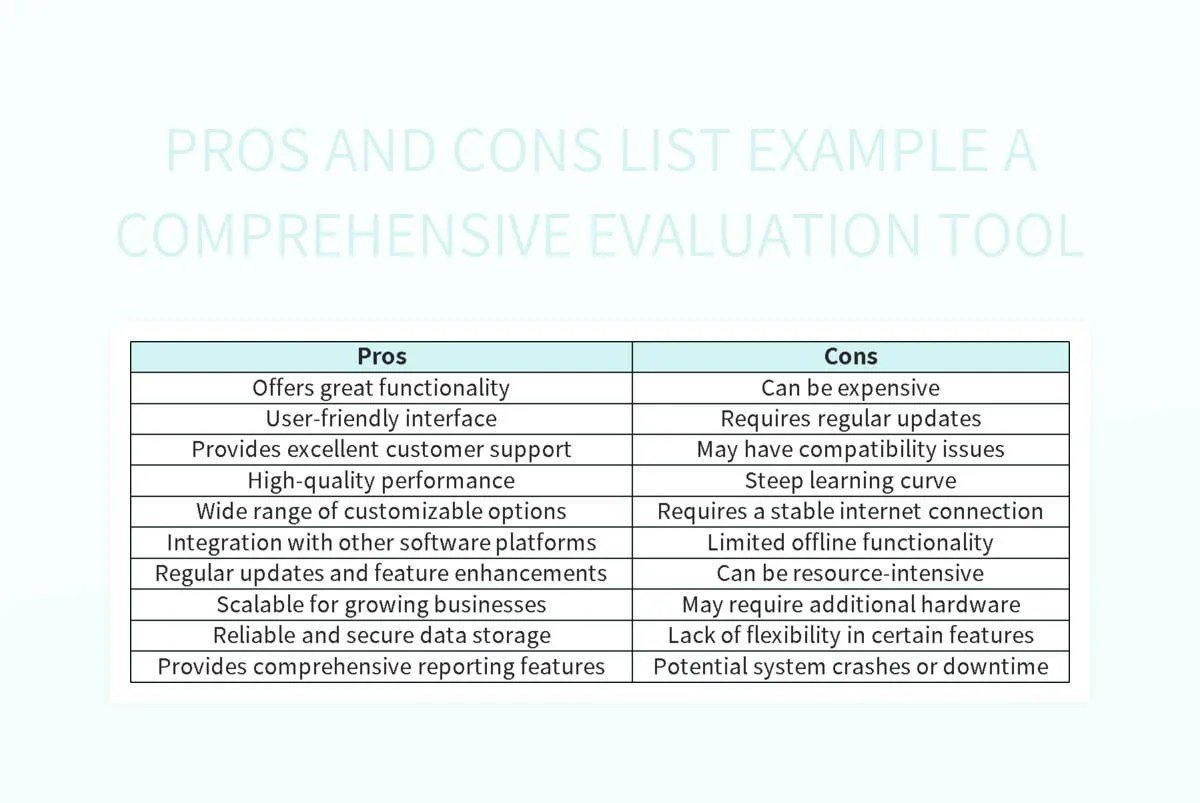
Customer feedback is more than just a data point; it's the heartbeat of a thriving business, a critical compass for product development, and the very foundation of customer loyalty. Yet, engaging with customer feedback presents a unique set of pros, cons, and common complaints that businesses must master. Understanding these dynamics is paramount, not just for improving services but for building a reputation that truly resonates.
This isn't about simply collecting stars or fielding angry calls. It's about a strategic approach to listening, learning, and evolving. Whether you're a business owner sifting through reviews or a customer deciding if the balloon festival is worth attending?, the insights gleaned from feedback are invaluable.
At a Glance: Key Takeaways
- Customer feedback, encompassing both reviews and complaints, offers critical insights for business growth and product improvement.
- Positive reviews build trust and credibility, acting as powerful social proof that influences purchasing decisions.
- Negative reviews can highlight areas for improvement but are susceptible to bias, manipulation, and lack of context.
- Common complaints often stem from operational inefficiencies (e.g., long waits, poor FCR) or product issues, signaling opportunities for systemic change.
- Effective complaint resolution requires active listening, empathy, clear communication, and a strategic approach to identify and address root causes.
- Both businesses and consumers have a role in fostering a healthier feedback ecosystem by prioritizing honesty, specificity, and constructive engagement.
The Double-Edged Sword of Customer Feedback: Why It Matters
Customer feedback acts like a mirror, reflecting what you're doing well and where you might be missing the mark. It's a constant stream of information that, when properly processed, can unlock significant growth. But like any powerful tool, it demands careful handling.
The Bright Side: The Undeniable Power of Positive Reviews
Let's start with the good stuff. Positive feedback isn't just a pat on the back; it's a potent marketing asset and a trust builder that operates on several crucial levels.
Social Proof & Credibility: The Modern Word-of-Mouth
In today's digital age, a chorus of positive reviews serves as the ultimate social proof. When potential customers see others vouching for your product or service, it significantly boosts their confidence. It’s a collective endorsement that says, "Hey, this is legitimate, and people are happy with it." This credibility can be the deciding factor between a browsing visitor and a paying customer.
Insights into Quality & Performance: Beyond the Marketing Blurb
Reviews offer granular details about product quality, durability, functionality, and ease of use that no marketing copy can fully capture. Customers often highlight specific features they love, use cases that resonate, or unexpected benefits. This kind of detailed feedback is gold for potential buyers trying to assess if a product truly meets their unique needs. It helps them feel like they're getting an honest assessment, perhaps even more so than researching whether the balloon festival is worth attending? based on official event descriptions alone.
Helping Others Make Informed Decisions
Every review contributes to a larger tapestry of information that helps others navigate their purchasing journey. Customers can quickly evaluate the strengths and weaknesses, weigh the benefits against potential drawbacks, and ultimately make a choice they feel good about. This collective intelligence empowers consumers and builds a sense of community around shared experiences.
Building Trust & Loyalty: The Reputation Dividend
Consistent positive feedback enhances your brand's reputation, fostering a deep sense of trust with both existing and prospective customers. When customers feel confident in your offering, they're more likely to return, recommend you to others, and become loyal advocates. It transforms transactional relationships into enduring partnerships.
The Shadow Side: Navigating the Pitfalls of Reviews
While the pros are compelling, the landscape of customer reviews isn't without its challenges. There are significant "cons" that businesses and consumers alike need to be aware of.
Bias & Manipulation: The Dark Underbelly of Online Feedback
Not all reviews are created equal. Some reviewers may have ulterior motives, such as promoting their own products, sabotaging competitors, or even extorting businesses. This can lead to misleading information, where genuine feedback gets drowned out by noise.
- Fake Reviews: Intentionally crafted reviews designed to deceive readers, often artificially boosting positive sentiment or unfairly trashing a competitor.
- Review Bombing: Coordinated campaigns to flood a product or business with negative reviews, often unrelated to actual customer experience, distorting overall ratings and damaging reputation.
Lack of Context & Individual Experiences
A review, by its nature, is a snapshot of an individual's experience. It may not provide enough information about the specific circumstances, the reviewer's expectations, or their unique use case. This lack of context can make it challenging for others to assess the relevance of the feedback to their own situation. A five-star review for a basic product might be from someone with simple needs, while a one-star review might come from someone expecting a premium feature that was never advertised.
The Difficulty in Distinguishing Genuine Reviews
Despite the best efforts of review platforms, fabricated reviews can still slip through the cracks. This constant battle for authenticity undermines trust in the entire review system. When consumers struggle to discern real feedback from manufactured narratives, the power of genuine social proof diminishes. It's a critical challenge that affects everyone, similar to how one might carefully research before committing to an experience, asking themselves, is the balloon festival worth attending?, based on mixed signals.
Expert Takeaway: Leveraging the Good, Mitigating the Bad
The goal isn't to shy away from feedback but to approach it strategically. For businesses, this means actively soliciting feedback, engaging with reviews (both positive and negative), and employing tools to detect and manage fraudulent content. For consumers, it means developing a discerning eye, looking beyond the star rating, and seeking out nuanced perspectives. The integrity of the feedback ecosystem relies on conscious effort from all parties.
Beyond Reviews: Diving Deep into Common Customer Complaints
While reviews offer a public snapshot, direct complaints are often a more immediate and unfiltered signal of pain points. These aren't just annoyances; they are critical opportunities.
Why Complaints are Gifts in Disguise
Every complaint is a customer telling you, "I care enough about your business to tell you what's wrong, instead of just leaving." They offer a direct line to understanding where your product, service, or process is failing. Addressing these issues not only prevents churn but can turn a frustrated customer into a loyal advocate. Ignoring them, however, is a fast track to lost business and damaged reputation.
The 8 Most Frequent Gripes (and Their Root Causes)
Let's break down the most common complaints that pop up in customer service, alongside their underlying issues and what they signal for your business.
1. Long Wait Times (on hold, in queues)
- The Complaint: "I was on hold forever!" or "It took ages to get a reply."
- Root Cause: Often indicates high customer demand, insufficient staffing, or a lack of automation for routine inquiries. It can also point to inefficient call routing or agents spending too much time on complex issues that could be self-served.
- What it Signals: A bottleneck in your customer service operations, potentially leading to immediate customer frustration and a perception of poor service quality.
2. Unavailable or Out-of-Stock Products
- The Complaint: "The item I want is never in stock," or "When will this be available again?"
- Root Cause: Supply chain issues, inaccurate inventory management, unexpected demand spikes, or poor communication between sales, product, and customer service teams regarding stock levels and replenishment.
- What it Signals: A disconnect in your internal communication and inventory processes, leading to missed sales opportunities and customer impatience.
3. Making Customers Repeat Their Problem
- The Complaint: "I've told three different people this already!"
- Root Cause: Poor internal hand-off procedures, lack of integrated customer service software (CRM, help desk), inattentive agents, or frequent transfers without proper context sharing.
- What it Signals: A fragmented customer experience that wastes time and severely frustrates customers, making them feel unheard and undervalued.
4. Uninterested Service Representatives
- The Complaint: "The agent didn't seem to care," or "They were just reading from a script."
- Root Cause: Lack of proper training, low employee morale, burnout, insufficient empowerment to solve problems, or inadequate management oversight and coaching.
- What it Signals: A direct hit to your brand's reputation and customer perception. A disengaged rep can undo hours of marketing effort in minutes.
5. Poor Product or Service Quality
- The Complaint: "This product broke quickly," "It doesn't work as advertised," or "The service was subpar."
- Root Cause: Actual product defects, customer misunderstanding of product use (poor instructions), mismatched customer expectations, or service delivery failures.
- What it Signals: Fundamental issues with your core offering. This is a crucial complaint that requires immediate attention for product improvements and customer education.
6. No First Call Resolution (FCR)
- The Complaint: "My problem wasn't solved on the first call, so I had to call back."
- Root Cause: Agents lacking the authority, tools, or knowledge to resolve issues fully, complex customer problems requiring multiple touchpoints, or a lack of robust self-service options.
- What it Signals: Inefficiency in your support process, leading to increased operational costs and significant customer dissatisfaction due to prolonged resolution times.
7. Lack of Follow-Up
- The Complaint: "They said they'd get back to me, but I never heard anything."
- Root Cause: Unclear communication expectations set by reps, inadequate ticketing systems, disorganized case management, or simply forgetting to follow through.
- What it Signals: A perception of being forgotten and a lack of accountability. It breaks trust and leaves customers feeling their issue is unresolved.
8. New Product or Feature Request
- The Complaint: "Why don't you have X feature?" or "You should really add Y."
- Root Cause: This isn't strictly a "complaint" but a valuable piece of feedback. It means customers are engaged and see potential for improvement.
- What it Signals: An opportunity for innovation and product development. These requests highlight unmet needs and can guide your roadmap, much like how user surveys might inform decisions about enhancing an experience, such as making sure the balloon festival is worth attending? is truly memorable.
Turning Frowns Upside Down: Resolving Complaints Like a Pro
Understanding the complaints is only half the battle. The real victory lies in how effectively you address them. This requires both a strategic playbook for the business and refined techniques for frontline service representatives.
A Strategic Playbook for Businesses
Addressing common complaints isn't a one-off fix; it's an ongoing commitment to improvement.
1. Listen, Collect, and Pattern-Spot
The first step is active listening across all channels.
- Use tracking software: Implement tools to centralize customer feedback, track key metrics, and identify recurring complaints (e.g., "long hold times," "product bugs").
- Collect broadly: Gather feedback from calls, emails, social media, surveys (like NPS®), and direct conversations.
- Look for trends: Don't just address individual complaints; look for patterns. Is it always a specific product? A particular time of day? A certain type of customer?
2. Empower Your Service Team
Your frontline staff are the eyes and ears of your organization.
- Talk to them: Regularly meet with your service team. Discuss the feedback you're seeing, understand their pain points, and gather their insights on necessary tools, training, or process improvements. They often know the root causes best.
- Provide resources: Ensure they have the necessary software (CRM, help desk), knowledge bases, and decision-making authority to resolve common issues.
3. Uncover Root Causes
Don't just treat symptoms. Dig deeper.
- Ask "Why?": If wait times are long, why are they long? Is it peak call times, understaffing, or complex issues? If a product is faulty, why is it faulty? Manufacturing defect, user error, or poor design?
- Data analysis: Correlate complaint data with operational data (e.g., call volume, resolution times, product returns) to pinpoint underlying issues.
4. Craft an Actionable Plan
Once you understand the 'what' and the 'why,' develop a clear 'how.'
- Update internal processes: Streamline workflows, improve communication channels between departments.
- Provide targeted training: Address skill gaps or knowledge deficits identified in complaint analysis.
- Develop self-service options: Create comprehensive FAQs, knowledge bases, and community forums. This empowers customers to resolve light troubleshooting themselves, freeing up reps for more complex, high-value interactions. This proactive approach ensures a smoother experience for everyone, making it as seamless as researching if the balloon festival is worth attending? without hassle.
Frontline Tactics: Empowering Your Reps
For the individual service representative, resolving a complaint effectively boils down to empathy, clear communication, and a solution-oriented mindset.
1. Be Accessible
Make it easy for customers to connect with you.
- Offer multiple channels: Ensure customers can reach you via phone, email, chat, and social media.
- Promote self-service: Guide customers to knowledge bases or FAQs for quick answers to common questions.
2. Use Active Listening
Hear what the customer is truly saying, not just the words.
- Ask clarifying questions: "Could you tell me more about X?" "What specifically is causing you trouble?"
- Focus on their needs: Understand the emotional and practical impact of the problem.
- Empathize: Put yourself in their shoes. "I understand how frustrating that must be."
3. Acknowledge Their Frustration
Validate their feelings. This is crucial for de-escalation.
- Mirror their emotion (respectfully): "I can see why you're upset about this." "I would feel the same way if I were in your position."
- Make them feel heard: This often diffuses anger and opens the door for problem-solving.
4. Reiterate for Clarity & Understanding
Repeat the issue back to the customer in your own words.
- Confirm understanding: "So, if I understand correctly, your product stopped working after you updated the software, and you've tried X, Y, and Z already?"
- Gain customer approval: Ensure both parties are on the same page before attempting a solution.
5. Strive for First-Call Resolution (FCR)
Your primary goal should be to resolve the issue completely during the first contact.
- Be prepared: Have access to all necessary tools and information.
- Note urgency: Prioritize issues that can be resolved quickly.
- Politely ask to follow up (if needed): If immediate resolution isn't possible, explain why a follow-up is necessary and how it will lead to a faster, more comprehensive resolution.
6. Provide a Clear Plan of Action
Even if you can't solve it immediately, outline the next steps.
- Set expectations: "Here's what I'm going to do next: I'll escalate this to our technical team, and you can expect an update from me via email within 24 hours."
- Detail actions: What specifically will be done? By whom? When?
- If no solution exists: Acknowledge their frustration again, detail how their concern will be forwarded (e.g., to product development), and offer any compensatory actions possible.
For the Consumer: Mastering the Art of Giving & Receiving Feedback
As consumers, we're both the recipients and the creators of feedback. Knowing how to navigate this ecosystem effectively is just as important for getting what you need as it is for helping businesses improve.
Reading Between the Lines: How to Navigate Online Reviews
Don't take every review at face value. Be a savvy consumer.
1. Go Beyond Just Reviews
While reviews are valuable, they're only one piece of the puzzle.
- Consult expert reviews: Look for professional opinions from trusted publications or industry experts.
- Check official product descriptions: Make sure your expectations align with what the product actually promises.
- Consider your own needs: What's crucial for one person might be irrelevant for another.
2. Spot Patterns, Not Just Isolated Incidents
Individual reviews can be outliers.
- Identify common themes: Are multiple people complaining about the same flaw? Or praising the same feature? These recurring issues or benefits are more indicative of the product's true nature.
- Look for trends: Does a product's rating decline after a certain software update?
3. Weigh Reviewer Credibility
Not all reviewers carry the same weight.
- Look for verified purchases: This indicates the reviewer actually bought and used the product.
- Check for detailed descriptions: Vague reviews ("It's good") are less helpful than specific ones ("The battery life is excellent for my daily commute, lasting 8 hours").
- Reviewer history: Does this person leave balanced feedback, or are all their reviews either 1-star or 5-star? Be wary of overly emotional or extreme reviews lacking substantial reasoning.
4. Seek Balanced, Detailed Perspectives
The most helpful reviews often present both sides.
- Prioritize reviews that discuss pros and cons: These demonstrate a thoughtful evaluation, providing a more comprehensive picture.
- Look for specific details: Concrete examples of performance, durability, or usability are far more informative than general statements. This is key, especially when assessing a new experience, such as evaluating whether the balloon festival is worth attending? by reviewing various accounts of participants.
5. Utilize Multiple Review Platforms
Don't put all your trust in a single platform.
- Cross-reference: Check reviews on Amazon, Google, Yelp, Trustpilot, and other industry-specific sites. Different platforms attract different demographics and may offer a broader, more well-rounded understanding.
Making Your Voice Heard: Writing Effective Reviews
When it's your turn to provide feedback, make it count. Your review can genuinely help others and prompt businesses to improve.
1. Be Honest & Specific
Your assessment needs to be truthful and provide actionable detail.
- Focus on specifics: Instead of "Bad service," try "The barista took 15 minutes to make my coffee, and it was cold when I received it."
- Highlight features, performance, strengths, or weaknesses: Give readers concrete information they can use.
2. Provide Relevant Details & Context
Help readers understand your experience.
- For a restaurant: Mention the cuisine, atmosphere, specific dishes ordered, and service aspects.
- For a product: Describe how you used it, for how long, and under what conditions. Your unique circumstances matter.
3. Keep Emotions in Check
While frustration is valid, overly emotional or aggressive language can undermine your credibility.
- Focus on objective factors: Was the product functional? Durable? Good value for money?
- Maintain a fair tone: Even negative feedback can be delivered constructively.
4. Consider Your Impact (Talk to the Business First)
Your review has power. Use it responsibly.
- For negative issues: Consider contacting the business directly first. Many businesses would appreciate the chance to resolve your issue before it goes public. This also gives them an opportunity to earn back your trust.
- For positive experiences: Share your enthusiasm! Encourage others to try the product or service, reinforcing positive experiences within the community.
The Bottom Line: An Ecosystem of Improvement
Customer feedback, in all its forms—the glowing review, the constructive critique, the frustrated complaint—is not merely data; it's a dynamic, living ecosystem. For businesses, embracing this ecosystem means moving beyond a reactive stance on complaints to a proactive strategy for continuous improvement. It involves empowering your teams, refining your processes, and genuinely listening to the voices that matter most: your customers.
For consumers, it means becoming a more discerning reader of feedback and a more articulate giver of it. By upholding transparency, seeking authenticity, and engaging constructively, we collectively strengthen the entire system. In a world where every interaction leaves a digital footprint, mastering the pros, cons, and common complaints of customer feedback isn't just good business practice—it's essential for thriving.