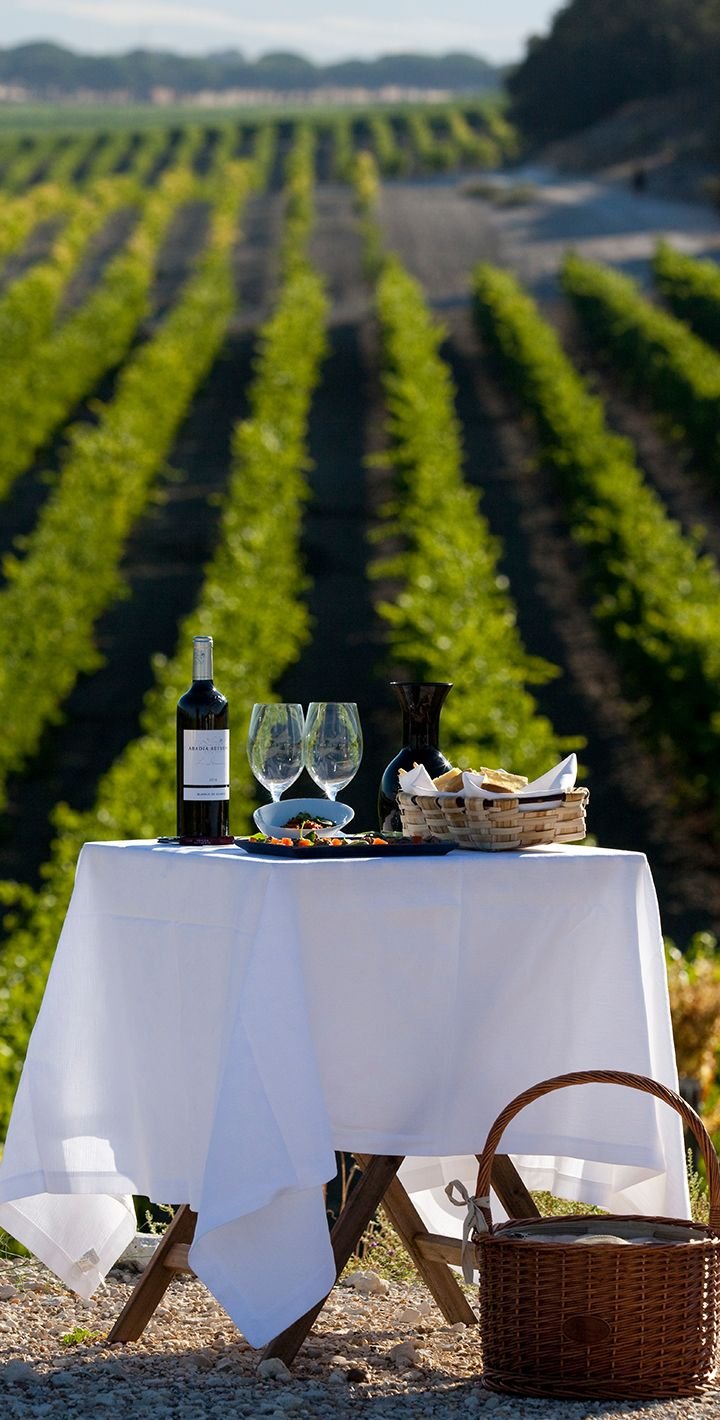
There's a special kind of magic that unfolds when people gather to celebrate art, music, food, and culture. It's in the vibrant energy, the shared smiles, and the unforgettable moments created by unique festival activities and experiences. Whether you're chasing the beat of a distant drum or savoring a culinary delight, festivals offer a sensory feast unlike any other, creating memories that linger long after the confetti settles.
For many, festivals aren't just events; they're pilgrimages, opportunities to step outside the ordinary and immerse oneself in a tapestry of human creativity and connection. From the grand stages of world-renowned music festivals to the intimate charm of local heritage celebrations, these gatherings define the very spirit of community and adventure.
At a Glance: Your Festival Field Guide
- Diverse Offerings: Festivals in the U.S. and globally feature music, food, art, workshops, parades, and unique cultural showcases.
- Regional Flavors: American festivals reflect distinct regional identities—historical on the East Coast, innovative on the West Coast, traditional in the South, and agricultural in the Midwest.
- Unique Experiences: Look for interactive art, hands-on workshops, local cultural immersion, and eco-friendly initiatives.
- Plan Ahead: Research location, activities, atmosphere, and accessibility. Book travel and accommodation early, especially for major events.
- Pack Smart: Bring essentials like water, snacks, comfortable shoes, and appropriate attire (layers are key!).
- Embrace the Unexpected: Be open to new experiences, try local delicacies, and engage with fellow attendees.
The Heartbeat of American Festivals: A Symphony of Sights, Sounds, and Tastes
America's festival landscape is as diverse as its population, offering a rich tapestry of experiences that cater to every interest. These gatherings are more than just entertainment; they're living reflections of local culture, community spirit, and the continuous evolution of artistic expression.
Setting the Stage: Core Festival Activities
At the core of nearly every festival, you'll find a few foundational pillars that create its distinct character:
- Music Performances: From the multi-stage spectacles of massive events like Coachella and Lollapalooza to intimate folk gatherings, music is often the cornerstone. Genres span the spectrum—rock, jazz, country, electronic, blues, gospel, and everything in between—featuring both global headliners and emerging local talent. Planning your schedule and arriving early are crucial for securing good viewing spots.
- Food Tastings & Culinary Innovation: Prepare your palate for a journey. Festivals celebrate local cuisine and culinary innovation, offering everything from gourmet creations to classic street food. Food trucks, tasting events, and dedicated culinary zones are common. The New Orleans Jazz & Heritage Festival, for example, is legendary for its Creole and Cajun offerings. The secret? Pace yourself, try small portions, and savor a variety of dishes.
- Immersive Art Installations: Festivals transform ordinary spaces into extraordinary realms with temporary art pieces. Works by local and international artists create immersive experiences, often encouraging interaction. Burning Man, with its temporary city built on principles of self-expression and community, is a prime example of art as a communal effort. Take your time to appreciate the artistry, and don't hesitate to join guided tours or discussions if available.
- Workshops & Hands-On Learning: Want to try something new? Many festivals offer workshops and classes, providing hands-on learning experiences. Think crafting, cooking, wellness practices, or even technology and DIY projects, often led by skilled experts. Maker Faire, for instance, focuses on innovation and creation. Be sure to sign up early, as space is often limited, and come prepared with any specified materials.
- Parades & Processions: Vibrant parades and processions are often highlights, showcasing colorful floats, elaborate costumes, and performances that celebrate cultural heritage. The iconic Macy’s Thanksgiving Day Parade is a grand spectacle, but countless smaller festivals feature equally spirited local processions. Always check the schedule for prime vantage points, arrive early, and bring water and snacks to stay comfortable while waiting.
A Geographic Journey: Festival Flavors Across the U.S.
The U.S. is a vast country, and its festivals reflect distinct regional identities:
- East Coast: Festivals here often emphasize historical themes and cultural diversity. Think the electrifying energy of the New York City Pride Parade or the artistic vibrancy of the Boston Arts Festival. You'll find traditional music, diverse foods reflecting immigrant communities, and a strong sense of civic pride.
- West Coast: Known for innovation and entertainment, West Coast festivals push boundaries. Coachella epitomizes the blend of live performances, interactive art, and a focus on sustainability. San Francisco Pride showcases an innovative spirit with interactive art and a strong community message.
- Southern: Rich in tradition, Southern festivals celebrate regional heritage with gusto. Mardi Gras in New Orleans is a world-famous example, but smaller events like the Atlanta Dogwood Festival also showcase traditional cuisine, folk music, craft fairs, and cooking competitions, often with a family-friendly atmosphere.
- Midwestern: These festivals often celebrate agricultural roots and community spirit. The Minnesota State Fair, one of the largest in the U.S., features local produce, livestock exhibitions, and outdoor activities. The Chicago Air and Water Show brings a different kind of spectacle, combining outdoor recreation with impressive aerial displays and showcasing a strong community bond.
Iconic American Experiences: A Closer Look
Some festivals have become national, even global, touchstones, each offering a distinct kind of immersion:
- Coachella Valley Music and Arts Festival (California): Beyond the music, Coachella is a cultural phenomenon. Known for its high-profile celebrity appearances from music, film, and fashion, it creates a vibrant atmosphere that extends beyond the stages, generating immense media coverage and setting trends.
- Burning Man (Nevada): This is less a festival and more a temporary city built on a dry lakebed in the Nevada desert. It's celebrated for its immersive art installations and community-driven ethos. Participants bring everything they need and engage in radical self-expression, gifting, and communal effort, transforming the desert into a canvas of creativity and collaboration. It's a truly unique, leave-no-trace experience where only ice and coffee are sold, and a "gifting environment" thrives.
- New Orleans Jazz & Heritage Festival (Louisiana): A powerful showcase of Louisiana's rich cultural heritage. This festival is a platform for cultural preservation, featuring local music (jazz, blues, gospel), iconic food (Creole and Cajun cuisine), and traditions passed down through generations. It's a soulful celebration that truly captures the spirit of the city.
Beyond the Ordinary: Unique Festival Features
What truly elevates a festival from good to unforgettable? It's often the unique features that engage, educate, and immerse attendees in ways they might not expect.
Engaging All Your Senses: Interactive Experiences
Festivals are increasingly moving beyond passive observation, inviting you to become part of the action:
- Hands-on Workshops: From learning to craft jewelry to trying a new dance style, these workshops offer practical skills and memorable interactions.
- Immersive Art: Virtual reality experiences, interactive sculptures that respond to touch or movement, and performances where the audience influences the outcome are becoming more common.
- Cooking Classes: Go beyond tasting and learn to prepare regional delicacies from local chefs, taking a piece of the culinary culture home with you.
A Window to the World: Local Cultural Showcases
Many festivals are proud celebrations of specific regional traditions, arts, and cuisines, offering deep dives into local identity:
- Traditional Arts & Crafts: Watching artisans create pottery, textiles, or other crafts using age-old techniques provides a connection to heritage.
- Folk Music & Dance: Experiencing traditional performances, often with local instruments and costumes, is a powerful way to understand a culture.
- Indigenous Showcases: Festivals that highlight the traditions of indigenous communities offer crucial insights and appreciation for their history and contributions. The Mah Meri Spirits’ Day in Carey Island, Malaysia, for example, invites outsiders to participate in rituals honoring ancestral spirits, with participants wearing traditional palm leaf and tree bark costumes.
Treading Lightly: Eco-Friendly Initiatives
As awareness of environmental impact grows, many festivals are championing sustainability:
- Waste Reduction & Recycling: Comprehensive recycling programs, composting, and efforts to reduce single-use plastics are becoming standard.
- Renewable Energy: Some festivals utilize solar power or other renewable sources to power their stages and facilities.
- "Leave No Trace" Policies: Encouraging attendees to pack out everything they pack in, minimizing environmental impact, is a core principle at events like Burning Man.
Journeying Beyond Borders: Unique Festivals Around the World
The global festival calendar is a vibrant mosaic of human expression, offering extraordinary experiences that range from ancient rituals to modern artistic explosions. If you're looking to expand your horizons, these international events provide truly unique festival activities and unique experiences.
A Curated Collection of Global Wonders
Let's explore some of the most distinctive festivals across the globe, each offering a specific flavor of celebration:
Cultural & Spiritual Immersion
- The Venice Carnival (Italy): Step back in time for a two-week masquerade party, typically in February-March, culminating on Shrove Tuesday. Costume competitions in San Marco Square are a highlight. Essential tip: wear a mask – it's part of the magic!
- Nyepi – New Year (Bali, Indonesia): A weeklong Balinese Hindu New Year celebration, usually in March. It includes Melasti (temple visits, parades) and Ogoh-ogoh (parading and burning demonic statues). Nyepi Day itself is a "Day of Silence," requiring no work, outdoor activity, electricity, noise, or entertainment for reflection. Visitors must observe the silence. Modest dress is advised for Ogoh-ogoh celebrations.
- Ganesh Chaturthi (India): A 10-day Hindu festival, usually in August-September, celebrating the birth of Ganesha. Cities like Mumbai erect colossal Ganesha statues in temporary structures (pandals). Expect cultural programs, competitions, and grand processions culminating in the immersion of statues in water. Visitors are welcome in pandals (some free, some small fee); expect queues on weekends and dress modestly.
- Holi Festival (India): Marking the arrival of spring, this Hindu celebration in March involves throwing powdered dye, spraying water, dancing, and singing. It's a joyful expression of good triumphing over evil. Locals often invite visitors into their homes for "Happy Holi" wishes.
- Day Of The Dead (Dia de Los Muertos) (Mexico): From October 31 to November 2, this vibrant celebration remembers and honors deceased loved ones. Expect startling make-up, garish costumes, singing, dancing, and parades. Cemeteries are decorated, and altars built with offerings. Visitors are welcome in cemeteries if respectful and can join street parades.
- The Lantern Festival (Taiwan): The last day of Chinese New Year celebrations (February/March) features magnificent fireworks and often technology-inspired themes. Entry is free, though setting off a lantern costs money. Wear comfortable, modest clothing.
- The Phanom Rung Festival (Buriram, Thailand): Annually around early April, at Phanom Rung Historical Park, coinciding with a rare sunrise alignment through 15 temple doorways. Features ancient markets, traditional parades, and a spectacular night show. Nang Rong is the closest base for travel.
- Sinulog sa Kabankalan (Philippines): Every 3rd Sunday of January in Kabankalan, celebrating the Sto Nino. The main event is a street tribal dance where locals paint attendees with oil and charcoal. Free to join, but wear black or dark clothing.
Music & Arts Spectacles
- Paredes de Coura Music Festival (Portugal): A four-day indie, pop, rock, and electronic music festival in Northern Portugal for about 25,000 daily attendees. The Taboao river beach is a popular spot to chill between sets.
- Carnival in Rio (Brazil): The largest carnival globally, occurring annually in February. The entire city participates, with Samba schools preparing all year for elaborate parades and dances. Anyone can participate, but prime seating requires advance planning or significant cost.
- The Fringe Festival (Edinburgh, Scotland): A three-week festival in August that transforms Edinburgh with comedy, theatre, art, and music. Nearly 3,000 acts in various venues and silent discos. A truly eclectic performing arts showcase.
- Portugal Carnival (Portugal): Celebrated throughout the country, with a popular parade in Loulé in the Algarve. Features music, dancing, and floats, often with political themes. Smaller scale than Rio, with free entry and no dress code.
- Hay Literary Festival (UK): A ten-day festival in late May/early June in Hay-on-Wye, known as the "second-hand bookshop capital." One of the world's largest literary festivals, featuring talks by authors, politicians, and celebrities. Entry to the site is free, but event tickets must be booked.
- La Mercè (Barcelona, Spain): A four-day festival leading up to September 24, celebrating Barcelona's patron saint. Over 600 free events, including correfoc (fire-runs), castellers (human towers), and gegants (papier-mache giants). A fantastic time to visit Barcelona as summer crowds begin to lessen.
Unique & Niche Celebrations
- Boryeong Mud Festival (S. Korea): Annually in July, celebrating Boryeong's mineral-rich mud. Features mud fights and K-Pop performances. Day trips are available from Seoul by bus.
- Cherry Blossoms Festivals (USA & Japan):
- Washington DC, USA: Three weeks from late March to early April, featuring thousands of cherry trees, an opening ceremony, a Blossom Kite Festival, and a mile-long parade.
- New York City (Sakura Matsuri, Brooklyn Botanical Gardens), USA: Held a couple of weeks later ($30 admission). Features cherry tree avenues, Kabuki dancing, Taiko drumming, J-pop music, and a Cosplay Fashion Show. Dressing as an anime character and picnicking with an obento is encouraged.
- Pikachu Outbreak Festival (Yokohama, Japan): Annually in August. Thousands of Pikachus take over the city, with visitors wearing yellow and Pikachu ears. Features shows (water, dancing Pikachus) and culminates in a large carnival parade.
- Albuquerque International Balloon Festival (New Mexico, USA): The world’s largest annual hot air balloon festival, with over 600 balloons, for about ten days in October. Entry is $10 daily. Arrive before sunrise for morning ascensions, wear warm layers, and book accommodation well in advance. Consider staying a few days in case of weather cancellations. If you're wondering if a hot air balloon festival is for you, this is definitely one to consider!
- Hot Air Balloon Festival (Windsor, California, USA): Annually over a weekend in mid-June. Arrive before sunrise (~5 am) to watch balloons set up and launch around 7 am. Tickets can be purchased in advance or at the gate. Mornings are chilly, so bring a light jacket or blanket. You might be asking yourself, is a hot air balloon festival worth it? These events are spectacular and offer a truly memorable experience, especially for photographers and those seeking a serene, awe-inspiring morning.
- St. Patrick’s Day (Chicago, USA): Annually on March 17. Highlights include the river dyeing ceremony with eco-friendly green dye and a parade with Irish bands and dancers. Wear green and incorporate shamrocks or clovers. Evenings feature dancing, green beer, and Irish food.
- Muju Firefly Festival (S. Korea): A laid-back country vibe with VR gaming, water fights, fireworks, and a lantern display. No entrance fee, but bring cash as not all stalls accept cards.
- The Gauderfest (Tyrol, Austria): Austria’s biggest beer festival, annually on the first weekend in May in Zell am Ziller. A UNESCO Intangible Cultural Heritage event, featuring the special 7.8% alcohol Gauder Bock beer, a Sunday parade with over 2,000 participants in traditional Austrian dress, a craft market, traditional sports, and an amusement park. Entry to the main grounds starts at €10. Taking the train is recommended to avoid traffic.
- Krampusnacht (Austria): A terrifying festival where men and teenage boys dress as Krampus (half goat/half demon) to parade through streets with chains, torches, and whip bystanders, intended to make children nice for Christmas.
- Lisbon Sardine Festival (Feast of Saint Anthony) (Portugal): Annually on June 12th, honoring St. Anthony of Padua. Eating sardines is symbolic. Festivities are centered in Baixa and Alfama, with vendors selling sardines, sangria, and local beer. A tradition involves rubbing Manjerico (potted basil) to symbolize new love.
- The Llamadas Festival (Montevideo, Uruguay): Part of the Montevideo Carnival, featuring parades in Barrio Sur and Palermo. Local clubs of African descent dance to Candombe music, honoring the memory of slaves. Viewing from the street is free; seats or rooftop BBQ parties require tickets in advance.
- Yerevan Wine Festival (Armenia): A growing two-day event in May attracting around 25,000 attendants, celebrating Armenia’s wine history and culture with local farmers, musicians, and international visitors.
- Hwacheon Ice Fishing Festival (South Korea): A three-week festival in January in Gangwon-do Province. The river, covered by 40cm thick ice, has 10,000 drilled holes for fishing mountain trout. There's a dedicated, less crowded area for foreigners. Other activities include ice sculpture, ice soccer, sledding, ice skating, and bare-hand fishing. Each visitor can catch up to three fish, exchangeable for one grilled fish. Daily shuttle buses from Seoul are available; the price is included in online tickets.
- Montmartre Grape Harvest Festival (Paris, France): A four-day festival held annually in October since 1934, celebrating the new wine from Montmartre’s only remaining vineyard (Clos de Montmartre). Features wine stands, artisanal products, food, drinks, exhibitions, dances, and concerts. A charming way to discover the Montmartre neighborhood.
- Naadam Festival (Mongolia): Celebrated during July, also known as "eriin gurvan naadam" ("the three games of men"), featuring Mongolian wrestling, horse racing, and archery. Local festivities occur across Mongolia, but the experience in Ulaanbaatar is particularly recommended.
- Mainz Wine Festival (Mainzer Weinmarkt) (Germany): Takes place from Thursday to Sunday during the last weekend of August and first weekend of September in Mainz, located in Germany’s largest wine region, Rheinhessen. It celebrates the new harvest with numerous stands offering local wines and snacks, live music, and dancing.
Planning Your Festival Adventure: Practical Considerations
Attending a festival, especially a major or international one, requires careful planning. Thinking through a few key aspects will ensure your experience is smooth and enjoyable.
How to Choose Your Perfect Festival
With so many options, how do you pick the right one?
- Define Your Interests: Are you a music fanatic, a food connoisseur, an art enthusiast, or someone seeking cultural immersion? Match the festival's core activities to your passions. If it's your first time, a music festival might offer a familiar entry point, but don't shy away from events with unique themes.
- Consider Location and Accessibility:
- Travel Time & Costs: Urban festivals are often easily accessible via public transit, while rural events might require a car, shuttle, or even a plane journey. Factor in transport costs and time.
- Accommodation: Research hotels, Airbnb, camping options, or even glamping. For popular festivals, these book up months in advance.
- Facilities for Disabilities: Check the festival's website for information on ramps, accessible restrooms, viewing platforms, and any specific services for individuals with disabilities.
- Research the Overall Atmosphere: Do you prefer a massive, high-energy party or a more laid-back, family-friendly vibe? Look at photos and videos from previous years, read reviews, and check social media to get a feel for the crowd and general mood.
- Explore Surrounding Attractions: Many festivals are held in beautiful locations. Consider extending your trip to explore local amenities, historical sites, or natural wonders nearby. This can turn a festival trip into a more comprehensive vacation.
Essential Tips for a Fantastic Festival Experience
Once you've chosen your festival, a little preparation goes a long way:
- Tickets & Passes: Purchase tickets well in advance, especially for popular events that sell out quickly. Be wary of unofficial resellers.
- Travel & Accommodation: Book flights, trains, or buses and secure your lodging as early as possible. This often means better prices and more options.
- The Packing List:
- Comfortable Footwear: You'll be doing a lot of walking, standing, and potentially dancing.
- Layers: Weather can be unpredictable. Pack clothes that can be easily added or removed.
- Hydration: Bring a reusable water bottle (many festivals have refilling stations).
- Sun Protection: Hat, sunglasses, and high-SPF sunscreen are non-negotiable for outdoor events.
- First Aid Kit: Blister plasters, pain relievers, and any personal medications.
- Cash: While many vendors accept cards, some smaller stalls or remote locations might be cash-only.
- Portable Charger: Keep your phone alive for photos and emergencies.
- Earplugs: Essential for music festivals, especially if you want to protect your hearing.
- Small Backpack/Fanny Pack: To carry essentials securely.
- Safety First:
- Stay Hydrated & Eat Regularly: Don't let the excitement overshadow your basic needs.
- Know Your Limits: Especially with alcohol.
- Meet-Up Spot: Designate a meeting point with friends in case you get separated.
- Emergency Info: Keep a written note of emergency contacts in case your phone dies.
- Be Aware of Your Surroundings: Like any crowded place, stay vigilant.
- Embrace the Spirit: Be open-minded, try new things, talk to strangers, and participate in the activities. Festivals are about shared experiences and creating connections. Many festivals, like Burning Man, operate on a "gifting economy" where participants exchange gifts without expectation of reciprocation, fostering a strong sense of community.
- Respect Local Customs: Especially when traveling internationally, research and respect local traditions, dress codes (e.g., modest dress for religious festivals), and etiquette.
Your Next Great Adventure Awaits
From the pulsing beats of a desert rave to the quiet reverence of a cultural parade, festival activities and unique experiences offer profound opportunities for discovery. They challenge your senses, broaden your perspectives, and create indelible memories that transcend the everyday.
Whether you're planning an epic journey to a distant land or simply exploring a local celebration in your backyard, the world of festivals is rich with possibilities. Choose your adventure, prepare wisely, and dive headfirst into the vibrant tapestry of human creativity. The stage is set, the flavors are ready, and the music is calling – where will your festival spirit take you next?